


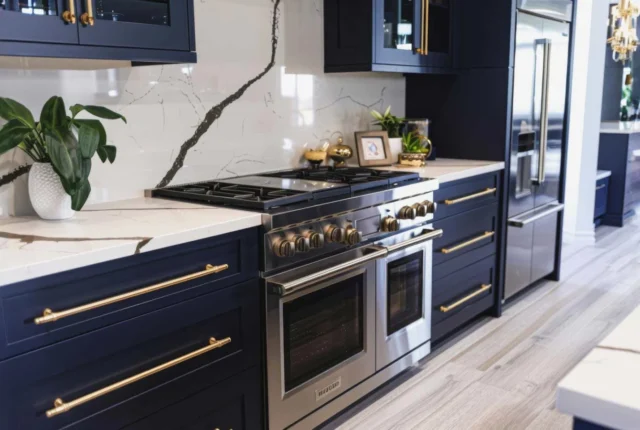
Custom Cabinets
Cabinet Door Will Not Stay Shut? Fix the Hinge, Not the Door
Custom Cabinets Cabinet Door Will Not Stay Shut? Fix the Hinge, Not the Door Keystone Extreme Keystone Extreme Guide A cabinet door…
Keystone Extreme
Keystone Extreme Guide
Your Cambridge Sable cabinets represent one of the most striking design choices in your Atlanta home, but one wrong cleaning product can permanently damage that rich, warm finish. Every week, we see homeowners accidentally strip the protective coating or create cloudy residue on cabinets that looked perfect just months ago.
The good news is that protecting your investment takes just a few simple adjustments to your cleaning routine. In this guide, we will walk you through the most common mistakes Metro Atlanta homeowners make and show you exactly how to keep your Cambridge Sable cabinets looking showroom fresh for decades.

Cambridge Sable cabinets feature a distinctive multi-step finish that creates their signature depth and warmth. This layered construction means the finish responds differently to chemicals and abrasives than painted or laminate surfaces. What works perfectly fine on your countertops or appliances can spell disaster for these beautiful cabinet doors.
The sable coloring sits within a protective topcoat that gives the cabinets their subtle sheen and resistance to daily wear. When harsh cleaners break down this topcoat, you lose both the visual appeal and the protection underneath. Understanding this construction helps explain why some cleaning approaches work beautifully while others cause irreversible damage.
Ammonia and bleach based cleaners dissolve the protective topcoat on Cambridge Sable finishes. Once this barrier breaks down, the underlying color becomes vulnerable to fading and staining.
Scrubbing pads and rough sponges create micro scratches that dull the finish over time. These scratches trap dirt and grease, making your cabinets look perpetually grimy.
Excess water left on cabinet surfaces seeps into seams and edges where protection is weakest. This moisture causes swelling, warping, and eventual delamination of the finish.
Note: Never use furniture polish or wax products on Cambridge Sable cabinets. These create buildup that attracts dust and eventually requires professional stripping to remove, which risks damaging the original finish.
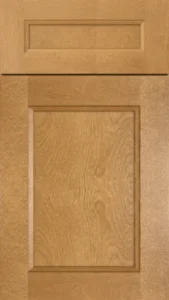 Escada Honey MappleView finish
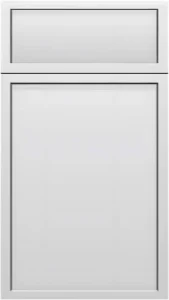 Newtown Silver GrayView finish
 Palena Gloss WhiteView finish
 Oakley Machine GreyView finish
 Escada WhiteView finish
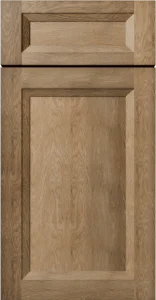 Oakley Tawny BrownView finish
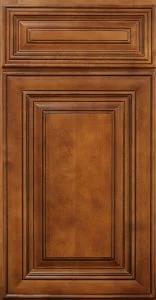 Cambridge SableView finish
 Newtown Cotton OakView finishEscada Honey MappleView finishNewtown Silver GrayView finishPalena Gloss WhiteView finishOakley Machine GreyView finishEscada WhiteView finishOakley Tawny BrownView finishCambridge SableView finishNewtown Cotton OakView finish
Our team helps Metro Atlanta homeowners protect their kitchen investments with professional guidance and renovation expertise. Contact us today for a consultation about your Cambridge Sable cabinets.

Keystone Extreme Renovations is a licensed general contractor based in Marietta, Georgia, serving Metro Atlanta with full home renovations, kitchens, bathrooms, custom cabinets, countertops, flooring, and roofing. One source, one team, zero stress.
Custom Cabinets Cabinet Door Will Not Stay Shut? Fix the Hinge, Not the Door Keystone Extreme Keystone Extreme Guide A cabinet door…
Cabinet Care & Maintenance Newtown Jade Green Cabinets: Seasonal Cleaning […]
Kitchen Remodeling Oakley Tawny Brown Cabinets: Perfect for Busy Families […]

Premium home renovations handled by licensed professionals with 25+ years of hands-on craft. One source. One team. Zero stress.
on Google
Two minutes, and a real number back.
Step 1 of 3
We have your request and we reply within one business day. If it is urgent, call us and we will pick up.

