


Custom Cabinets
Newtown Jade Green Cabinets: Seasonal Cleaning Guide | Atlanta
Cabinet Care & Maintenance Newtown Jade Green Cabinets: Seasonal Cleaning […]
Keystone Extreme
Keystone Extreme Guide
A cabinet door that sags, swings open on its own or rubs the one beside it is almost never a bad door. It is a hinge that has lost its grip, and in most kitchens the part that actually failed is the screw hole, not the hardware. Particleboard holds a screw well once. The second and third time, less so.
The good news is that the repair is usually fifteen minutes and costs almost nothing. Below is how to tell which of the four common failures you have, what fixes each one for good, and the point where the honest answer stops being a repair.
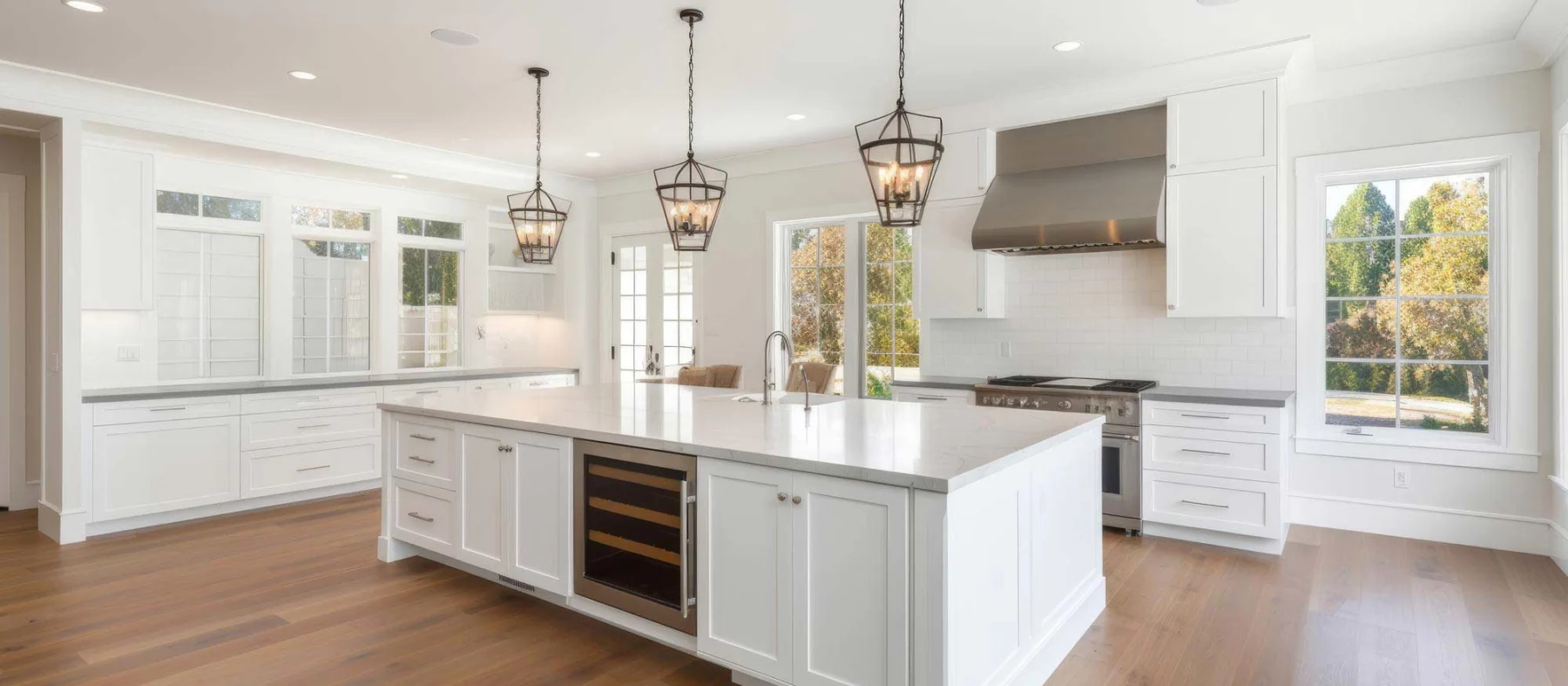
Almost every kitchen cabinet built in the last forty years has a box of particleboard or MDF with a thin laminate face. Those materials hold a screw by compressing fibre around the thread, and that compression is a one time trick. Back the screw out and drive it again, and the hole is already wider than it was. Do it a third time and the screw spins free.
Now add what a door does all day. Every open and close puts a small lever load on two screws, and a door that is slightly out of adjustment puts that load on one of them. Which is why the failure is nearly always the top hinge first, on the door people use most, in the house with children who swing on it.
The hole is stripped. The hinge is fine. This is the most common of the four by a wide margin, and the cheapest to fix.
Nothing is broken. European hinges adjust in three directions with two screws, and almost nobody uses them. Five minutes with a screwdriver.
Usually from a door being forced past its stop. Replace the hinge, not the door, and match the cup diameter and the overlay.

Video by Inventor Bill on YouTube. Fifteen minutes of it, and the first five cover the stripped hole.
Give the screw something to bite. For a stripped hole, the fix is to fill it and let the screw cut fresh threads. Wood glue with a few hardwood toothpicks or a golf tee trimmed flush works and has for a century. Wood filler or an epoxy putty works too and is faster to drill. Let it cure properly, then drive the screw into solid material instead of dust.
Move the hole instead of saving it. If the hole is torn out rather than just loose, fill it anyway for support, and move the hinge plate ten or fifteen millimetres so the new screws land in untouched board. On most plates there is room without the door shifting at all.
Step up one screw size. A slightly longer and thicker screw grabs material the old one never reached. Go one size, not three: too aggressive and you split the side panel, which turns a fifteen minute job into a cabinet repair.
Replace the hinge. Concealed hinges are a standard part. Measure the cup, which is usually 35mm, and note whether the door sits over the frame, partly over it, or inside it. Match those two and almost any brand fits the holes you already have.
Three situations where the repair is the wrong tool. First, a cabinet side that flexes when you pull the door. The box has lost its square or a joint has let go, and a new hinge will strip again in a month. Second, swelling at the bottom of a door or a base cabinet under the sink, which means water has been getting in and the board has started to come apart. Third, a door that has broken at the hinge cup itself, which on a thin laminate door is rarely worth repairing.
There is also the case where everything works and you simply have forty year old hinges on doors you still like. Replacing visible hinges with soft close concealed hinges is one of the cheapest upgrades in a kitchen, and it does not touch the doors or the boxes.
Note: Before buying anything, take one hinge off and photograph it next to a tape measure, and photograph the door closed so the overlay is visible. Those two photos answer every question the counter at the hardware store is going to ask, and they save you the second trip.
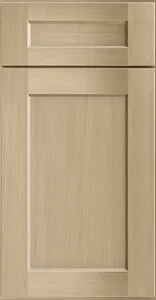 Shaker HazelnutView finish
 Shaker Natural WoodView finish
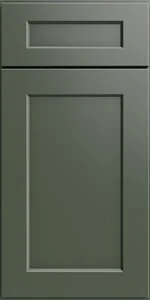 Shaker IvywoodView finish
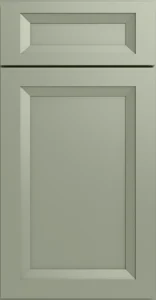 Oakley Sage GreenView finish
 Everest Slim Shaker WhiteView finish
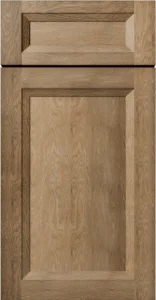 Oakley Tawny BrownView finish
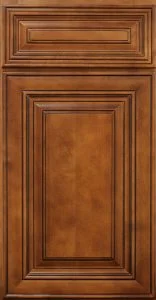 Cambridge SableView finish
 Tempo Dark WildernessView finishShaker HazelnutView finishShaker Natural WoodView finishShaker IvywoodView finishOakley Sage GreenView finishEverest Slim Shaker WhiteView finishOakley Tawny BrownView finishCambridge SableView finishTempo Dark WildernessView finish
If the doors keep failing in the same places, the cabinets are telling you something. We will look at the boxes, say honestly whether refacing holds or whether it is time to replace, and give you a number for both. Marietta and Metro Atlanta.

Keystone Extreme Renovations is a licensed general contractor based in Marietta, Georgia, serving Metro Atlanta with full home renovations, kitchens, bathrooms, custom cabinets, countertops, flooring, and roofing. One source, one team, zero stress.
Cabinet Care & Maintenance Newtown Jade Green Cabinets: Seasonal Cleaning […]
Kitchen Remodeling Oakley Tawny Brown Cabinets: Perfect for Busy Families […]
Cabinet Care Cambridge Sable Cabinet Cleaning Mistakes to Avoid Keystone […]

Premium home renovations handled by licensed professionals with 25+ years of hands-on craft. One source. One team. Zero stress.
on Google
Two minutes, and a real number back.
Step 1 of 3
We have your request and we reply within one business day. If it is urgent, call us and we will pick up.

